

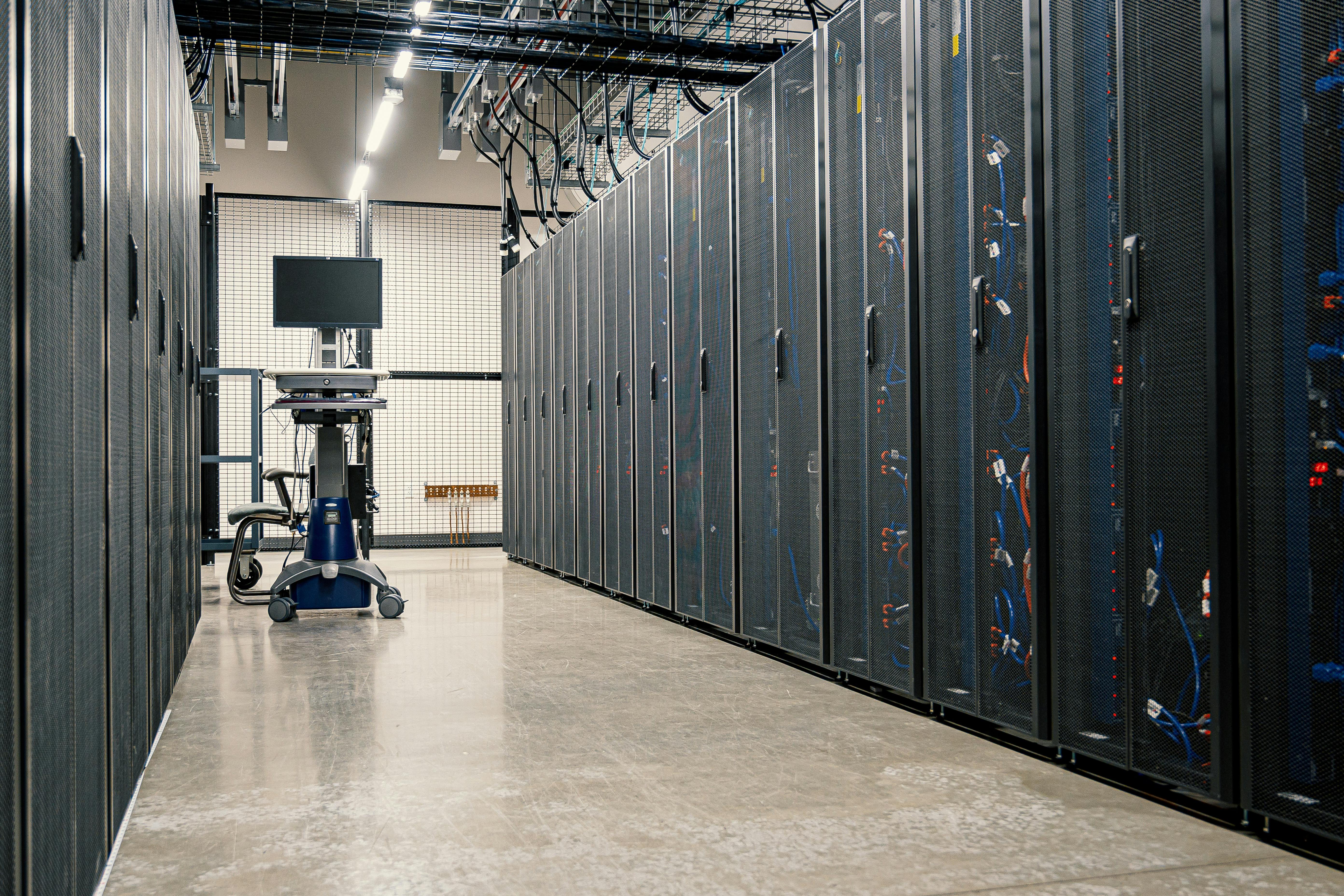
NVIDIA remains central to the AI infrastructure conversation in March 2026 because Blackwell and Blackwell Ultra are setting the pace on both training and inference. For startups, the key question is no longer whether GPUs matter — it’s which workloads actually justify dedicated acceleration, and whether your product needs raw throughput or efficient inference at scale.
What the 2026 NVIDIA updates are really saying
NVIDIA’s March 2026 messaging is focused on inference performance, not just training bragging rights. Blackwell InferenceMAX benchmark results show that the platform is being positioned around real-world throughput and efficiency, while Blackwell Ultra’s MLPerf inference debut is reinforcing the idea that the next wave of AI infrastructure is about serving models faster and cheaper, not simply building larger clusters.
What startups should do differently now
If you’re building in the UK, UAE, Saudi Arabia, Pakistan, the US, or Australia, the useful question is whether you can route more requests through cheaper models, cache more responses, and reserve premium inference for edge cases. For many startups, the right answer is still hosted APIs and orchestration — not buying hardware. NVIDIA’s 2026 updates are a reminder that infrastructure efficiency matters as much as model quality.
How to benchmark your own AI stack
Before spending on GPU hosting, benchmark your own prompts, retrieval flow, and latency profile. Measure requests per minute, peak concurrency, cost per successful task, and how much time the model actually spends thinking versus serving users. Many startups discover that better orchestration and a smaller-model fallback strategy produce more value than a hardware-heavy setup.
MoodBook Studio infrastructure perspective
We help teams choose infrastructure based on workload, not hype. If your product needs real-time AI and you’re unsure whether GPU hosting makes sense, the right move is a careful workload audit before any large infrastructure spend. That is especially important for startups serving multiple regions with different traffic patterns.
Sources and release notes
Frequently asked questions
- Do startups need to buy GPUs to build AI products?
- Usually no. Most early-stage startups can use hosted APIs or managed inference services. GPUs only become necessary when scale, cost, or model control justify the complexity.
- What is Blackwell being used for in 2026?
- NVIDIA’s March 2026 updates frame Blackwell around higher-throughput training and more efficient inference, including benchmark wins on real-world serving workloads.
- Should founders track MLPerf and InferenceMAX?
- Yes, because they provide a practical signal for how AI infrastructure performs under benchmarked workloads. They are useful when comparing platform efficiency and cost planning.
Related insights

Gemini 3.5 Flash for Agentic Coding: Workflow, API, and Cost Guide
How to use Gemini 3.5 Flash benchmarks in real agentic coding workflows, including thinking levels, context limits, tool support, migration guidance, and cost tradeoffs.

The AI SaaS Architecture Checklist for Founders
The architecture decisions AI SaaS founders should make before moving from prototype to production.

Next.js AI SaaS Starter Architecture for Production
How to structure a production-ready Next.js AI SaaS app beyond the basic starter template.